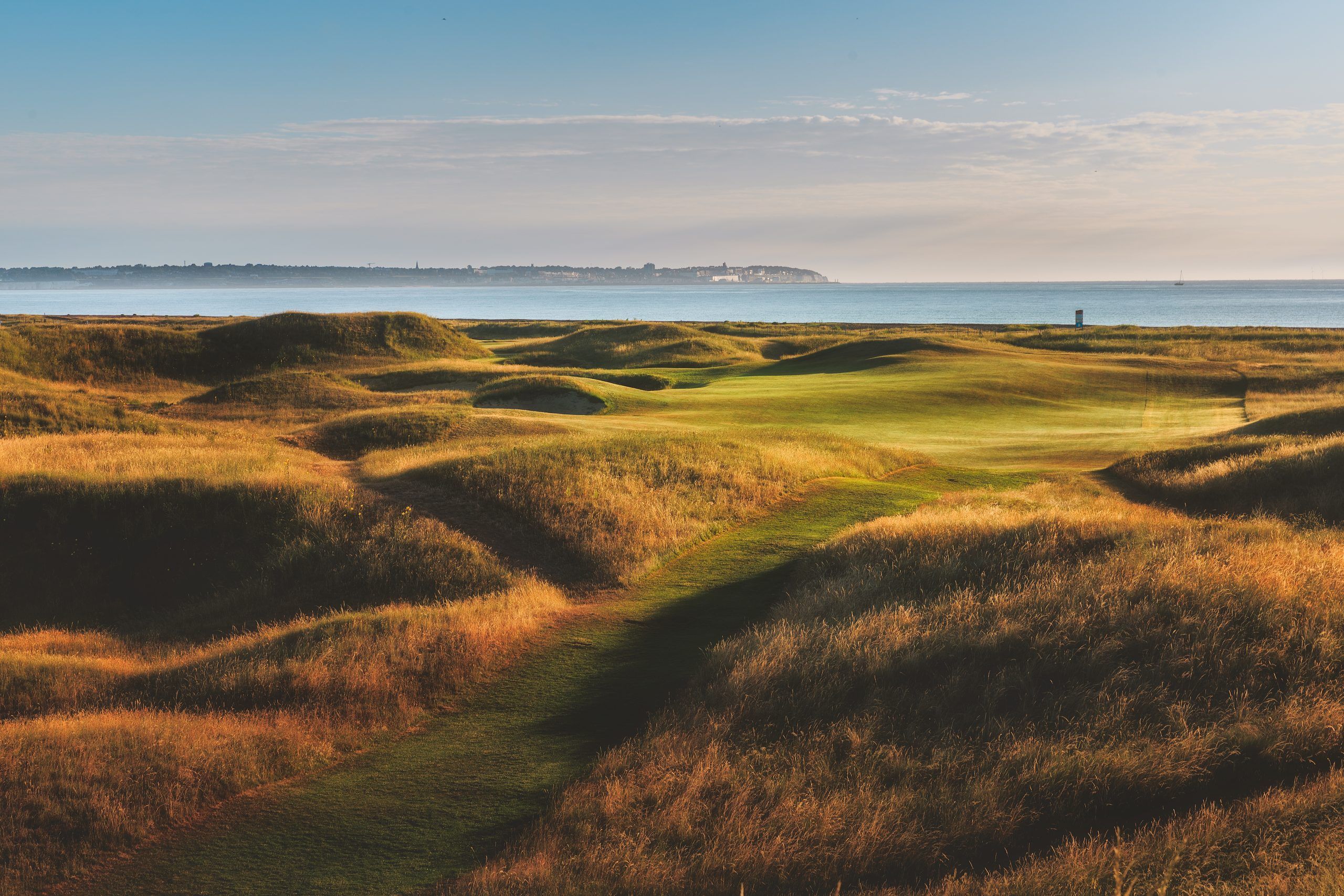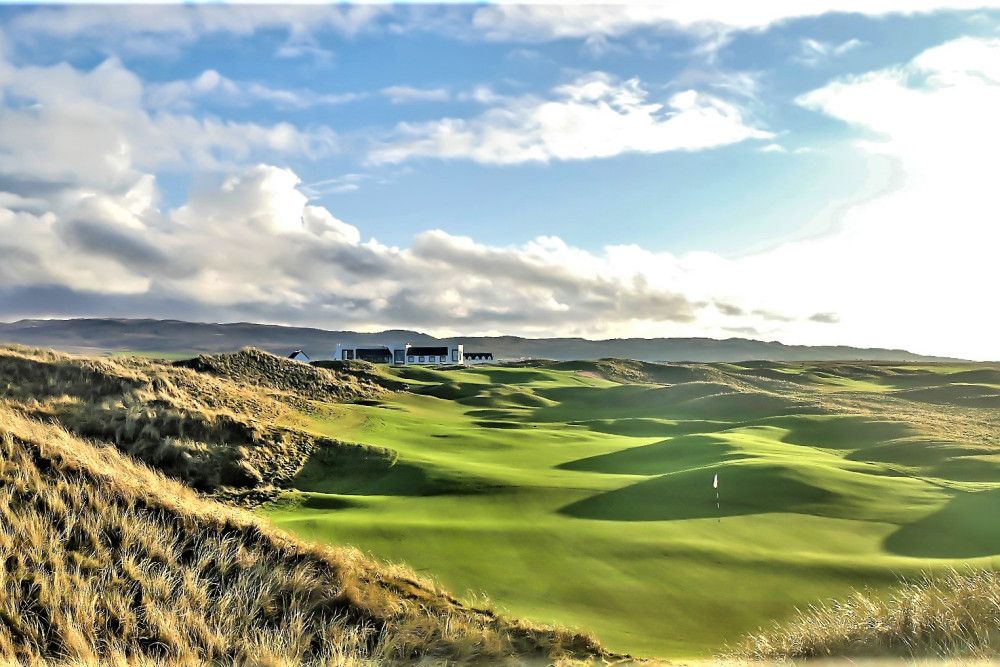
Planning a golf trip to Scotland usually begins with one big question. When should you go. The simplest answer is that the best time to golf in Scotland sits between April and October. Courses are fully open, daylight is generous and conditions are at their most reliable. What the season does not offer is predictability in the American sense. Weather moves quickly here, yet it rarely ruins a trip and often adds a touch of character to the round.
Scottish weather has a habit of shifting without warning. A clear sky in the morning might produce a brief shower by lunchtime and then settle again. What surprises many visitors is how little disruption this causes. Showers tend to pass through in short bursts rather than linger. Courses drain well, lightning is unusual and full closures are rare. It is far more common for a trip to encounter only a day or two of rain across an entire week and some golfers discover they never wear the expensive rain gear they packed for every round.
Temperatures through the Scotland golf season are mild, though spring has grown warmer in recent years. Sunshine hours stretch steadily from April onward and evenings grow lighter with each passing week.
Regional patterns matter. The west coast carries more Atlantic moisture. The east has a steadier feel with drier spells and more sunshine. North of Inverness, the Moray Firth benefits from a calm microclimate that produces bright, settled stretches long after the forecast suggests otherwise. For visitors hoping to understand the best time to golf in Scotland, this regional variation can help set expectations without ever discouraging travel.
April and May. The First Stretch of Light
April marks the real opening of the season. Many courses return to full play and there is a sense of movement in the landscape. Mornings can be cold, especially if the wind carries a northerly touch, but the temperature rises quickly and some recent Aprils have been notably dry. Daylight increases at a pace that feels almost dramatic, giving golfers far more flexibility than the calendar suggests.
May feels confident and settled. Temperatures reach the high 50s and low 60s, sunshine becomes more frequent and the linksland begins to take on its full colour. Towns still have a slightly calmer feel before summer, which some visitors appreciate even without any change in price.
June, July and August. Scotland at Full Stretch
Summer in Scotland is not defined by heat, yet warm spells do arrive and occasionally turn into short heatwaves that push temperatures into the 80s. Most days sit comfortably in the 60s, ideal for walking golf, and a light breeze makes even warm days pleasant. A few showers may drift through, although they tend to move on quickly.
What truly defines Scottish summer is the light. In June, particularly in the north, evenings stretch so far that it is perfectly possible to be putting out close to 11pm. That long twilight is one of the great rewards of a Scotland golf trip. It gives you the freedom to start late, to linger on the fairways, or to replay a hole simply because the land still feels awake.
Summer carries a lively atmosphere. Courses are busy and tee sheets full, yet the overall pace stays friendly. It is the season most visitors picture when imagining the best time to golf in Scotland, not for guaranteed sunshine but for the pleasure of playing in long, generous days.
September and October. A Gentle Turn Toward Autumn
Early autumn often feels like a quieter continuation of summer. Temperatures in September remain steady and many regions experience long, dry spells. The light takes on a softer angle that makes links contours glow in warm colour. By October, days shorten and the air cools, yet conditions remain playable and many courses stay fully open through the month. Towns ease slightly after the height of summer, offering a welcome shift in pace without changing the character of the trip.
Rain and Reality
Rain is part of the Scottish golf experience but rarely the obstacle travellers fear. Showers usually pass within minutes. Linksland drains exceptionally well and inland courses recover quickly. Lightning is rare, so play seldom stops for long. Most golfers are pleasantly surprised by how much golf they fit into a week, even in a forecast that looks unsettled from afar.
A light waterproof and an extra layer are usually enough. The real key is flexibility. Adjusting a tee time by an hour can turn a damp morning into a bright afternoon and visitors soon learn that weather windows open more often than the forecast suggests.
Choosing the Month That Suits You
There is no wrong choice within the April to October window. Each month has its own rhythm and all of them offer more playable days than many visitors expect. You can have a perfect day in October, or a wet one in July. It’s best to choose the date that fits your diary the best and just see what happens!!
A Season That Rewards You
Golf in Scotland during this season is shaped by the land and the light. Spring begins with a quickening of colour and confidence. Summer follows with long evenings that seem to stretch toward the horizon. Autumn offers a softer glow and a steady calm. If you come with an open mind and a willingness to let the weather be part of the experience, Scotland will usually reward you.